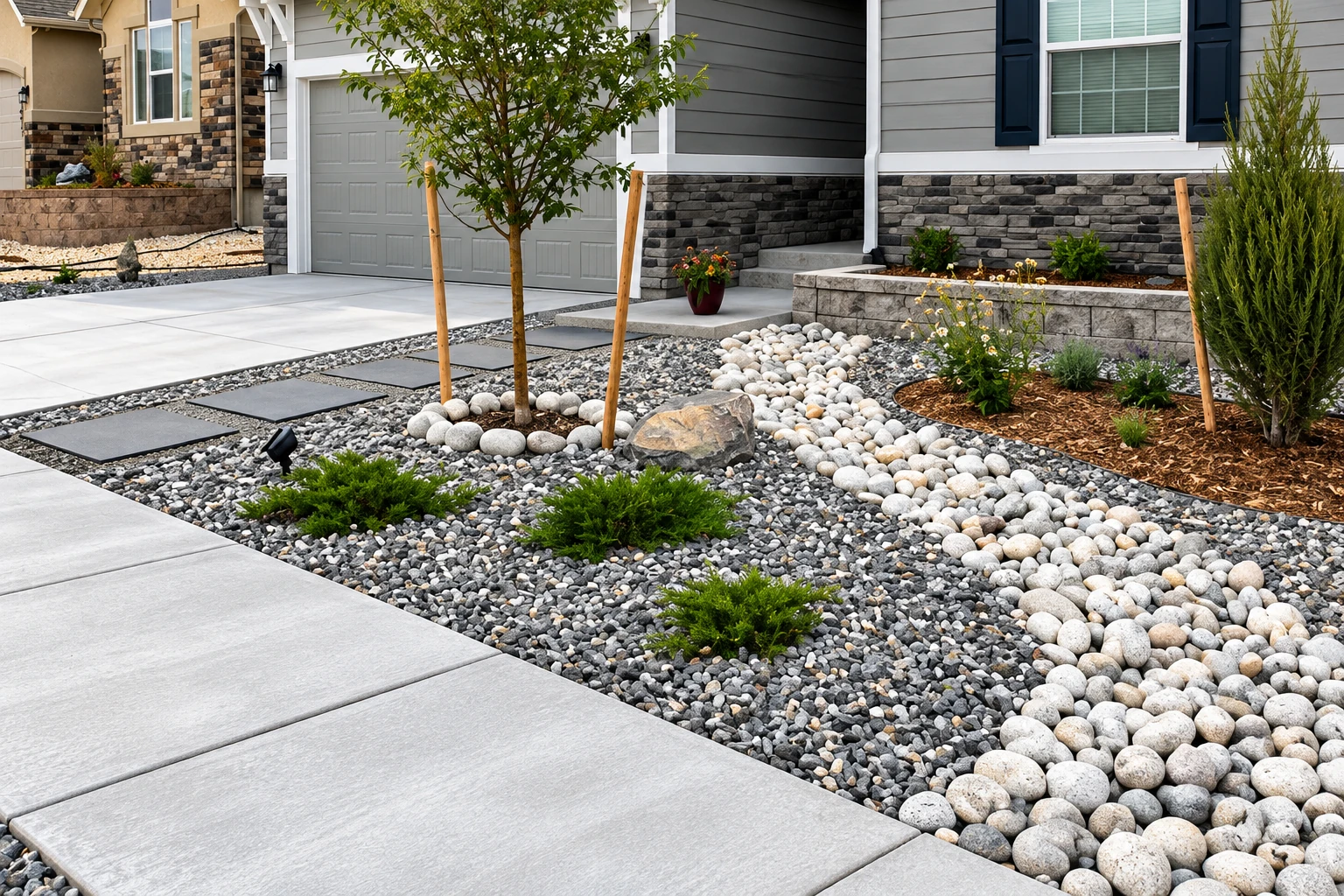
Concrete driveway building
We dig out the old driveway and the soft ground under it, pack a new base, and add rebar, steel bars that hold the slab together if it cracks.
Marshalltown Concrete pours driveways, patios, steps, garage floors and sidewalks for homeowners in Grinnell, IA, plus footings, slabs and lots for builders and business owners. We're based in Marshalltown, and I lead the small crew that does the work.
Grinnell is one of the cities we work in as a concrete contractor based in Marshalltown, along with Newton and Nevada. Homeowners here call us for driveways, patios, steps and garage floors, and builders and business owners call for footings, slabs and lots. The price comes down to the size and thickness of the slab, how much old concrete and soft dirt has to come out, how close the truck can get, and the finish you pick, since a plain broom finish, the brushed texture that gives your shoes grip, costs less than stamped work. The schedule turns on the permit and inspection, the base work and a good pour day. I come out and write the estimate on site, so you get your own number and the order the work will run in.
The city says permits and inspections are required on all construction, and its building staff can answer questions and help owners and contractors through permitting and inspection. On the house side, a lot of what we see here is older driveways and walks that have sunk, cracked or tipped toward the house, usually because the ground under them settled or washed out, so the job starts with digging that out and building a firm base.
If something has to give, I'd cut the fancy finish before the base, because the subgrade, the packed ground the slab sits on, is hidden on day one and decides whether it settles.
Before we set any forms, we check where the water goes on your lot and set the slab to fall away from the house, so rain doesn't pool against your foundation.
I'd rather move a pour than rush it, because concrete poured in midday heat can set too fast and leave a weak, dusty top later. If the day isn't right, I'll tell you early.
We dig out the old driveway and the soft ground under it, pack a new base, and add rebar, steel bars that hold the slab together if it cracks.
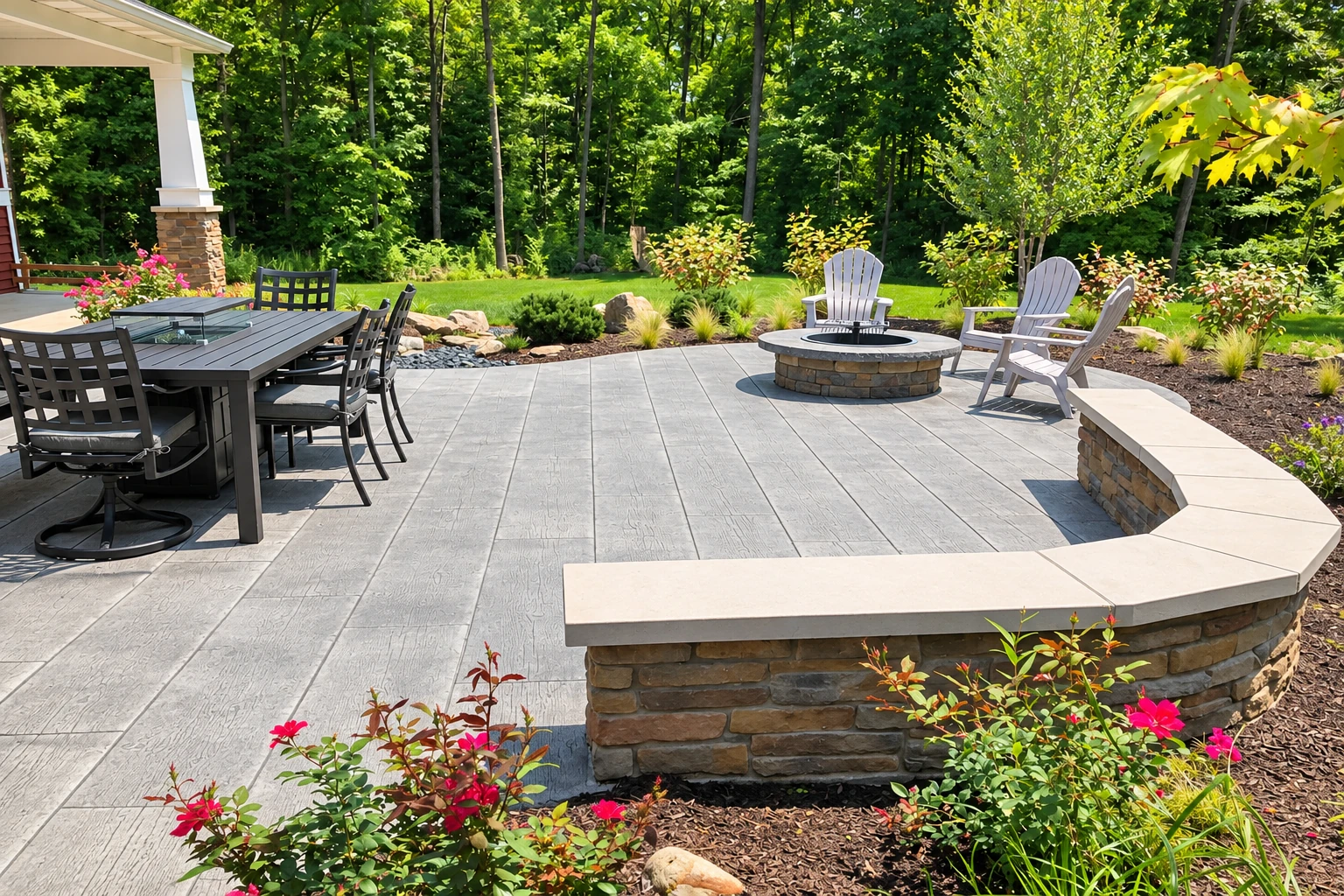
We size a patio to the table, grill and chairs you plan for, and cut control joints, shallow grooves that give the slab a planned place to crack.
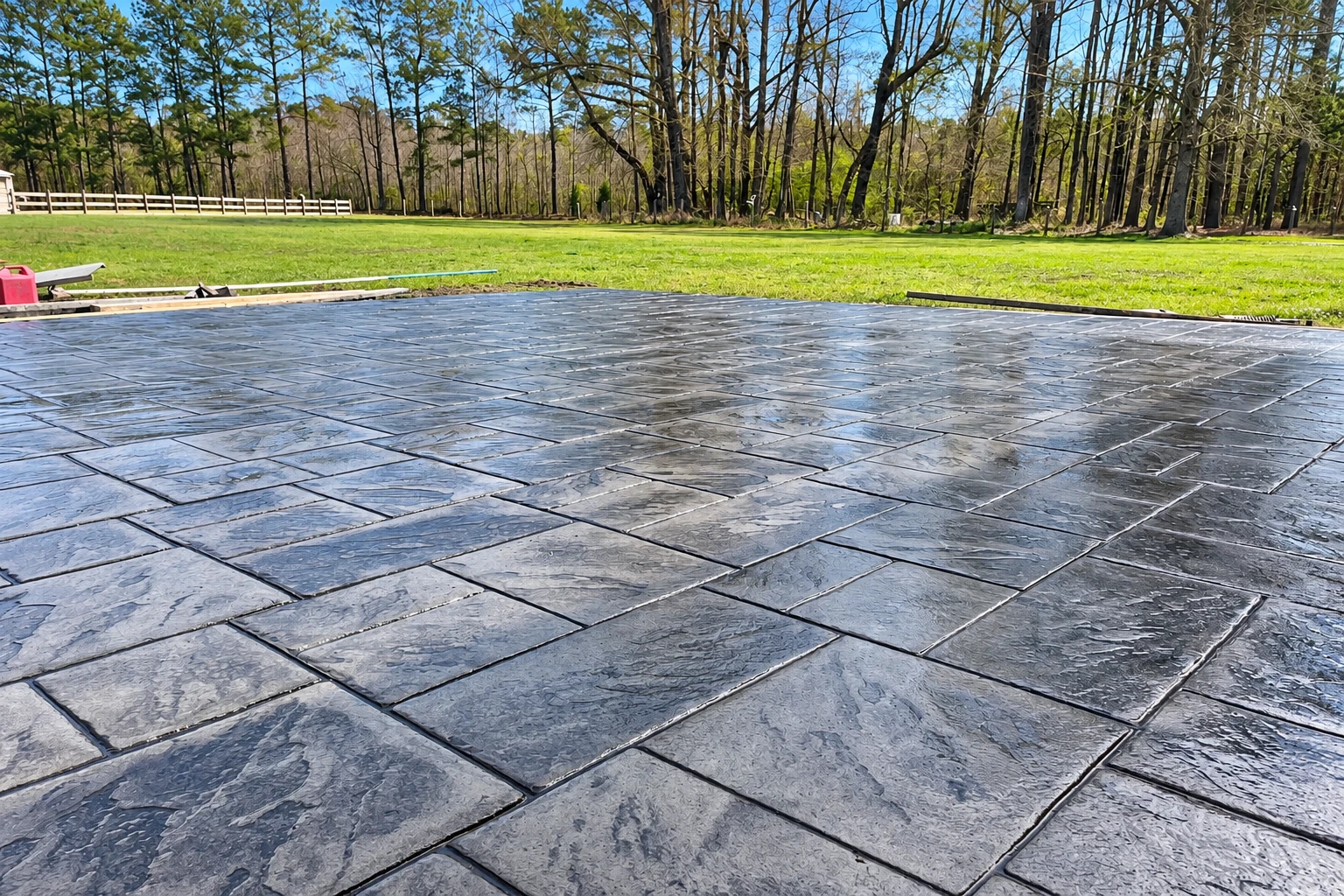
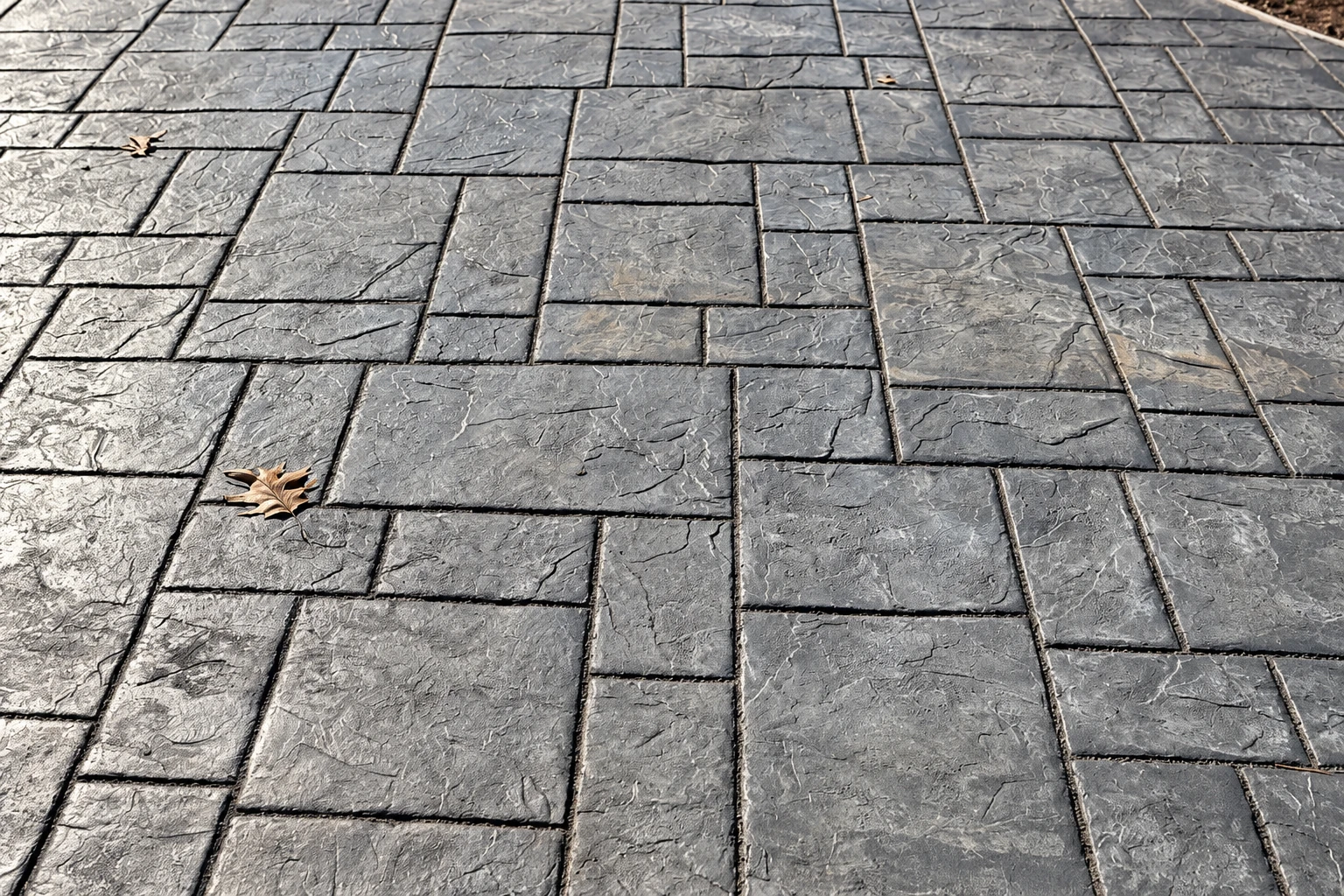
Stamped concrete gets a pattern pressed into the surface while it's soft, so we time the crew and the truck closely, and the base still comes first.
Walks that have sunk or lifted into a trip edge come out to the dirt, and we pour the run at a steady grade with a broom finish for grip.
A garage floor carries your car, so we set its thickness and slope to the door, then keep cars off while it cures, the slow hardening that gives it strength.
Colored, scored or exposed-stone finishes go on a slab built the same way as a plain one, because a good surface can't save a base that moves.
A retaining wall holds back dirt on a sloped yard, so we set it on a footing and give the water that collects behind it a way out.
Basement, shop and outbuilding floors start with a flat, packed base and a moisture barrier underneath, so the floor stays level and ground damp stays below it.
A pool deck has to shed splash water and give bare feet grip, so we set the slope carefully and pick a texture that's rough enough without scraping.
Steps that have pulled away from the door usually sat on soft fill, so we set new ones on solid ground with every step the same height.
For new homes and additions, we pack the ground, set forms and steel, and pour the slab once the layout and the steel have been checked.
We dig, form and pour foundation walls in the order the build needs, because a late step here holds up every trade that comes after.
Business lots get a thicker slab and a base built for delivery trucks, and we can plan the pour in sections so customers can still get in.
Footings carry the weight of a wall, porch or addition, so we dig to the depth your plans call for and set the steel before the truck arrives.
When a slab or foundation has dropped, we find out why first, because raising it without fixing the soft or wet ground under it usually only buys time.
We saw-cut openings, trenches and clean edges in old slabs, so a repair or new pour meets the existing concrete at a straight line instead of a broken one.
Send the form or call, and we'll reply within one business day. I come out, look at the site and write up a free estimate, with no obligation to go ahead.
I'm the one who walks your driveway or yard and writes the estimate, so the person who priced your job is the one who leads the crew.
Before your job gets a date, we check what the city needs. If a permit or inspection is part of it, we do the paperwork and plan the pour around it.
We're fully licensed and insured, with satisfaction guaranteed on every job, and you'll know the order of the work before the first truck shows up.
Here are straight answers on permits, fees and cracking for driveways, patios and other concrete work in Grinnell.
For new construction and additions, the city bases the permit fee on the estimated cost of the job, labor plus materials, and if you do the labor yourself, it's the material cost times two. For the current fee, call the Building and Planning Department at (641) 236-2600. Your written estimate gives you the labor and materials figure to start from.
The owner, the contractor or both can get a civil citation and a stop work order. If work starts without a required permit, the city also charges double fees for the permit taken out afterward, and other penalties can still apply. The city wants every permit in hand and every fee paid before construction begins, so we sort that out before your pour gets a date.
It can still get a hairline crack or two, but a driveway built on a packed base with control joints cut on time shouldn't break up like a settled one. Old slabs usually fail from below, on dirt that was raked level instead of dug out and packed, so that's where we spend our time first.
Besides Grinnell, we have pages for Marshalltown, Newton and Nevada, and we work in other cities around them too. If your place isn't listed, call or send the form and ask.
Call (641) 354-2469 or use the form, since the sooner I see the site, the sooner your permit and pour can go on the calendar.