Cracks that keep spreading
When cracks widen or one side sits higher than the other, the base underneath has usually moved, and a patch on top won't hold. That's when starting over makes sense.
Cracked, sunken or flaking garage floor? We tear it out, rebuild the base and pour a new slab ready for your finish.
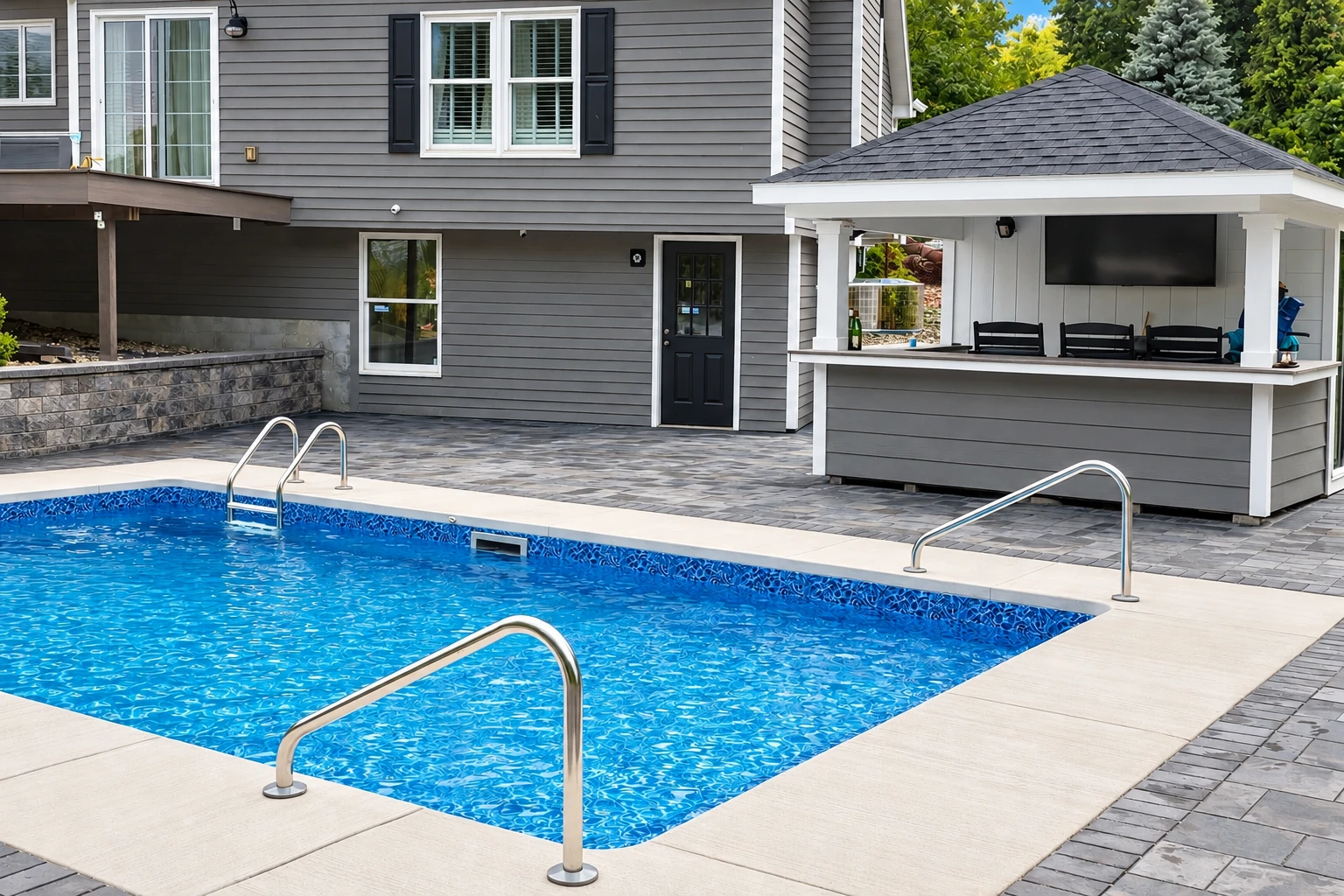
Garage floor concrete in Marshalltown means breaking out your old slab, hauling it away, rebuilding the base and pouring a new floor that's mixed and finished for the way you'll use your garage.
Most calls start with a floor that's cracked through, dropped at the door or flaking on top, where another patch won't hold. The price moves with the size of the garage, how much broken concrete and soft base has to come out, how thick the new slab needs to be and the finish you choose. The schedule turns on the weather, the wait before you can park on it and any permit or inspection, so I check what the city needs before we set a date, and when a permit or inspection is part of it, we handle the paperwork and build the schedule around it. I come out, look at the floor and write up an estimate for your garage.
You'll know the order of work from the first visit: tear-out, base, pour, cure. If weather or an inspection moves a date, I'd rather tell you that day than surprise you later.
I come out to look at your garage and write the estimate, and a small crew I lead does the work, so the person who priced your floor is there when it's poured.
Iowa requires any contractor to register with the state before doing construction work here, so it's fair to ask whoever you hire. We're fully licensed and insured.
Before the old slab comes out, we settle the finish you want and any coating plans with you, because on a garage floor that choice decides the mix and whether a moisture barrier goes under the new one. Then we break up the old floor, haul it away, dig out the subgrade, the ground the slab sits on, and pack a new base so the slab has something firm under it. We check where the water runs so the floor drains out the door instead of toward the house. I'd rather move a pour than rush it through midday heat, because a slab that sets too fast ends up with a weak, dusty top, and we cut the control joints, shallow grooves that give the slab a place to crack in a straight line, as soon as it's ready for them. Then it cures, hardening slowly before you walk or park on it. If the budget gets tight, the base is the last thing I'd trim, because nobody sees it on day one and a nice finish on a soft base cracks right along with the dirt.
A new garage floor often comes up alongside other work. If you want color or a finish that's more than plain gray, that's our decorative concrete work, and we plan it at the same time as the mix. Where the ground beside the garage or the drive drops off and needs holding back, we build concrete retaining walls so the grade stays put around the new slab.
When cracks widen or one side sits higher than the other, the base underneath has usually moved, and a patch on top won't hold. That's when starting over makes sense.
If melt water sits in a low spot or runs toward the house door, the slab has settled or was never pitched right. A new floor gets graded to drain out the overhead door.
A top that chips, flakes or turns to powder often goes back to how it was poured and finished. If the slab under it is failing too, replacing it beats coating over the problem.
If you're parking a heavier truck or setting up a workshop, the slab may need to go thicker or carry rebar, steel bars that hold the concrete together if it cracks. I size that at the estimate.
Send the form and we'll reply within one business day to set a visit. I come out, look at your floor and write up a free estimate, with no pressure and no obligation.
That's the promise on every slab we pour, and it starts with an estimate that lays out the work plainly before you decide anything.
We're open Monday to Friday, 7 AM to 10 PM, and weekends, 8 AM to 9 PM. Call (641) 354-2469 if you'd rather talk the floor through than type it out.
Example photos of broom, smooth troweled and coated concrete finishes, and slab layouts worth talking through at your estimate.
Straight answers to the questions that come up when you're replacing a garage floor in Marshalltown, from finishes to permits.
A broom or float finish on a mix with more air in it, or a smooth troweled finish on a mix with less, according to one concrete guide. Broom finish is the light texture dragged across for grip. The guide warns that hard troweling a mix full of air makes the top peel off in layers, so the finish you want sets the mix.
Only if you plan an epoxy-type coating or want to heat and finish the garage later, according to one guide. A vapor barrier is a sheet under the slab that slows ground moisture coming up through it. The same guide says a bare broom-finished floor in an unheated garage doesn't need one, so tell me your plans for the space.
Plan on roughly a month. That's about how long new concrete needs to cure and dry before a coating can go on, even though you'll be walking on it well before then. If you want a coated floor, we'll build that gap between the pour and the coat into the plan from the first visit.
Some cracking and curling is normal on every concrete floor, and concrete industry guidance says owners should hear that up front. Curling is the edges lifting a little as the slab dries. The packed base and the control joints described above are what keep most cracks small and in the lines we picked.
The city's Building Division handles building permits, and it's the place to ask whether your garage floor needs one. Marshalltown requires a permit before any structure is altered or replaced, but its list names alterations, additions and new construction, not garage floors. Building inspections for the city are done by Veenstra & Kimm, reachable at 515-850-2980.
Rinse the salty slush off the floor during winter, which one guide calls the cheapest repair there is. The same guide reports research finding calcium and magnesium chloride de-icers harder on concrete than plain rock salt. Both matter in a garage, because whatever you drive in on melts off onto the slab.
Call (641) 354-2469 or use the form, with your garage size, the floor's condition and your finish plans handy for the first visit.