New basement window or door
A new opening in a foundation wall is a wall cut, and it takes the most planning, because the wall above has to be supported before any concrete comes out.
Need a doorway in a foundation wall or a trench across a slab? We cut it clean, straight and with the dust kept down.
Concrete cutting in Marshalltown means sawing a clean line through a slab or a wall, for a new basement window or door, a trench for a pipe, or a damaged section of driveway or patio that has to come out. Sawing and hauling away are separate jobs, so the cuts can be made and the pieces left in place for whoever comes next.
Most calls start with concrete that's already there and needs to change, like a basement that needs a window, a cracked driveway panel or a slab that has to open up for a drain line. The price moves with how thick the concrete is, how much steel rebar is inside, since steel slows the blade, whether it's a slab or a wall and, on a small job, what it costs just to bring the saw out. The schedule turns on what has to happen before the cut, like scanning, an engineer's sign-off on a wall opening or a city permit for public concrete, and your estimate lays out that order so you know what comes first.
I come out, look at what you want cut and write the estimate myself, and the small crew I lead does the work, so nothing gets lost between the visit and the cut.
Iowa rules require a contractor to register with the state before doing construction work, unless they earn under $2,000 a year or work on their own property. We're fully licensed and insured.
Concrete doesn't forgive a step done late, so I lay out the order up front, and I'd rather move a date than rush a cut you can't take back.
I start by walking the job with you and marking where every line goes. Before the saw starts, we want to know what's inside the concrete, because rebar, conduit, pipes and the tightened steel cables in some post-tension slabs don't show on the surface, and ground-penetrating radar scanning can find them before a blade does. We also settle where the water and dust will go, which matters most indoors. For a new opening in a wall, we sort out how the weight above will be carried before we cut. A poured wall needs a diamond-blade wall saw that rides a rail bolted to the wall, which keeps the cut straight, while a block wall can often be opened by taking out individual blocks. Then we make the cuts and leave the site clean.
A cut is often the first step of a bigger job. When part of a driveway has to come out, we saw clean edges first, and the new section goes in as concrete driveway building, with the subgrade, the ground the slab sits on, dug out and packed before the pour, because a patch over loose dirt settles again. A patio you're widening or partly replacing works the same way under concrete patio construction.
A new opening in a foundation wall is a wall cut, and it takes the most planning, because the wall above has to be supported before any concrete comes out.
When a drain, water line or conduit has to run under a floor, we cut a narrow strip, so only that piece comes up and the rest of the slab stays put.
A cracked or sunken panel of driveway, patio or sidewalk can be cut free along clean lines, so you replace the section that failed instead of the whole slab.
Widening where your driveway meets the street usually means cutting the curb or public sidewalk. That's city concrete, so the permit covered in the questions below comes before the saw.
Send the form and we'll reply within one business day to set a time. I'll come out, look at what you want cut and write up a free estimate, with no obligation.
Say whether it's a floor, driveway or patio slab, or a wall, and roughly where the cut goes, so I know what to look at first when I come out.
If the cut reaches a public sidewalk, curb or street pavement, say so, because a city permit becomes part of the job and we build the schedule around it.
We're based in Marshalltown and work in Newton, Grinnell, Nevada and other cities around it, so let us know where the job is when you reach out.
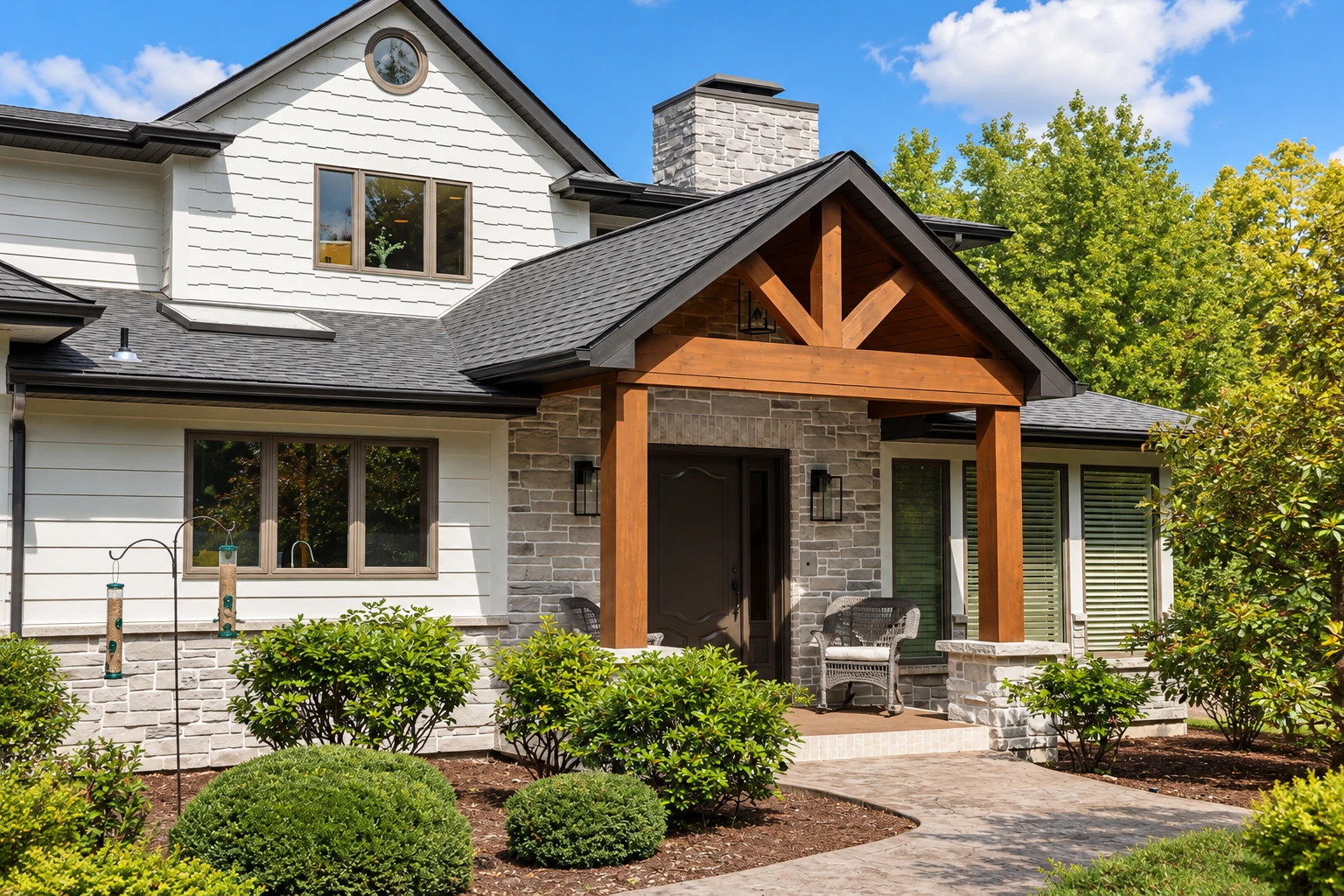
These photos show the kinds of saw cuts, wall openings, driveway panels and patio edges worth talking through when you plan your own job.
Here's what people ask before a saw touches their slab, wall or curb, answered the way I'd answer on site.
Professional saw cutting of an accessible 4- to 6-inch slab usually costs about $4 to $10 per linear foot across the US. That's the going market rate, not our price, and the thickness, steel and wall work I mentioned above push it up. I'll give you your own number after I see the job.
Yes, if the cut touches a public sidewalk, curb or street pavement. That takes a right-of-way excavation permit from the city's Public Works Department, and a curb cut needs the City Engineer's written permit. Anyone working in the street also needs a bond and insurance on file with the City Clerk. We check what the city needs and handle the paperwork before setting a date.
Less than you'd think, because water on the blade cuts down a lot of the dust, so most slab and wall sawing runs wet. The catch is slurry, a gray runoff of water and concrete dust that has to be vacuumed up or contained. Before we start, I'll tell you how we'll handle it, especially indoors or near a storm drain.
It can. One basement egress guide says a home with post-tensioned slabs or reinforced walls needs an engineer's approval before any cutting starts. The same guide says a new opening in a poured or block wall needs a new lintel, the beam that carries the wall above the opening. If an engineer has to sign off, that goes first on our schedule.
Not your private lines. The water and sewer service lines from the main to your house belong to you, so the city and Marshalltown Water Works skip them when a locate is requested. On street work the city's permit puts Iowa One Call on the contractor, and on any job we ask where you think your lines run before we mark a cut.
We take calls seven days a week, so call (641) 354-2469 or send the form and I'll come look before anything gets cut.